
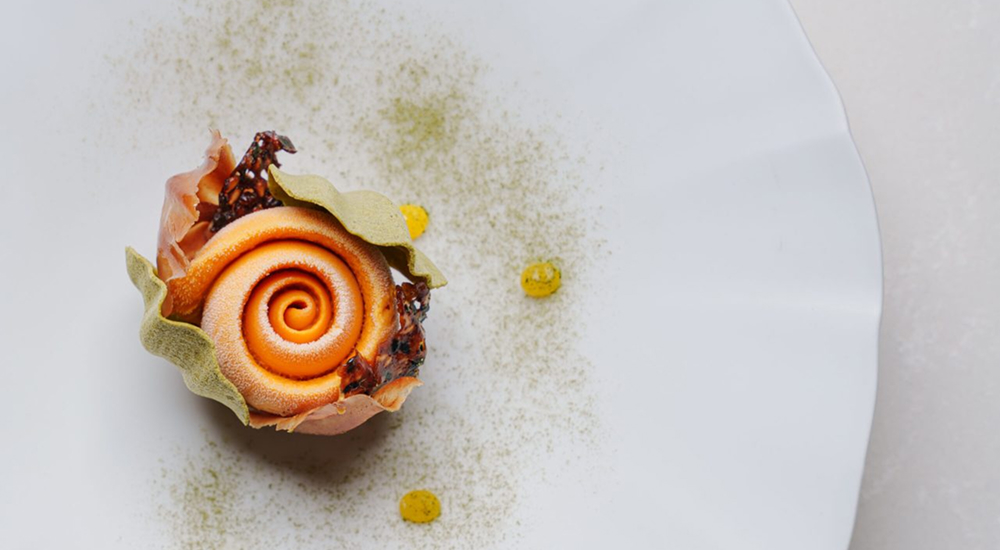
For a long time, Indian food carried a reputation on the global fine dining circuit that did it few favours. Outside India, people pictured heavy curries, generous ladles of gravy and comforting plates meant to be shared quickly rather than studied slowly. Wonderful, yes, but rarely spoken about in the same breath as the tasting menus that collect Michelin stars.
That picture has changed, and it has changed fast. Indian kitchens are now recognised for the qualities that have always defined great cooking: precision, memory, technique and a point of view. Asia, and Singapore in particular, has become one of the clearest places to see this shift happen.
A Quarter Century of Michelin Milestones
Indian cuisine’s Michelin story began in London. In 2001, Tamarind and Zaika became the first Indian restaurants to earn a Michelin star, proving that inspectors would judge Indian cooking on the same terms as any other.
The biggest leap came in Dubai, where Trèsind Studio became the first Indian restaurant in the world to earn three Michelin stars, the guide’s highest honour. It retained all three in the 2026 Dubai guide, a clear signal that Indian fine dining now competes at the very top.
Today, Michelin lists starred Indian restaurants across the UK, the US, the Middle East and Asia. The cuisine is no longer a novelty in the guide. It is a fixture.
Indian Michelin Stars Across Asia
Asia is where much of the newest energy sits. Several Asian cities now have Michelin-starred Indian restaurants, each with its own take on the cuisine.
- Bangkok has the deepest bench. Gaa holds two Michelin stars, and Haoma and INDDEE are also starred, making the city a destination in its own right for modern Indian cooking.
- Hong Kong has Chaat, which holds a Michelin star and brings Indian cooking to one of Asia’s most competitive dining cities.
- Singapore has Thevar, the city’s only two-Michelin-starred Indian restaurant in the 2026 MICHELIN Guide Singapore.
Together, these restaurants show that the rise is not a one-off. It is a regional movement, and the chefs behind it are pushing each other forward.
From Home Kitchens to Tasting Menus
Much of Indian cooking begins at home, passed between generations without a written recipe. The layering of spice, the patience behind a slow-cooked dish and the balance of heat and sweetness are skills built over years.
A new generation of chefs honours that heritage while rethinking texture, plating and pace. A dish rooted in a fishing village or a family celebration can now arrive as a refined single course without losing its soul, treated with the same seriousness a French kitchen gives its classics.
Why Singapore Became a Natural Home
Singapore rewards food that is both authentic and ambitious. Diners here are curious, well travelled and happy to try something new, which makes the city a rare testing ground for chefs who want to push their cuisine forward.
The result is a fine dining Singapore scene where cultures sit comfortably side by side. Guests now expect Indian cooking to hold its own against any European or Japanese counterpart, and increasingly it does. Whether the occasion calls for a relaxed lunch or a slower evening over dinner, the standard has never been higher.
Vegetarian diners have benefited too. When a kitchen respects its ingredients this closely, a plant-led menu can be every bit as memorable as any other, and dietary choice stops being a compromise and becomes part of the pleasure.
Where Thevar Fits In
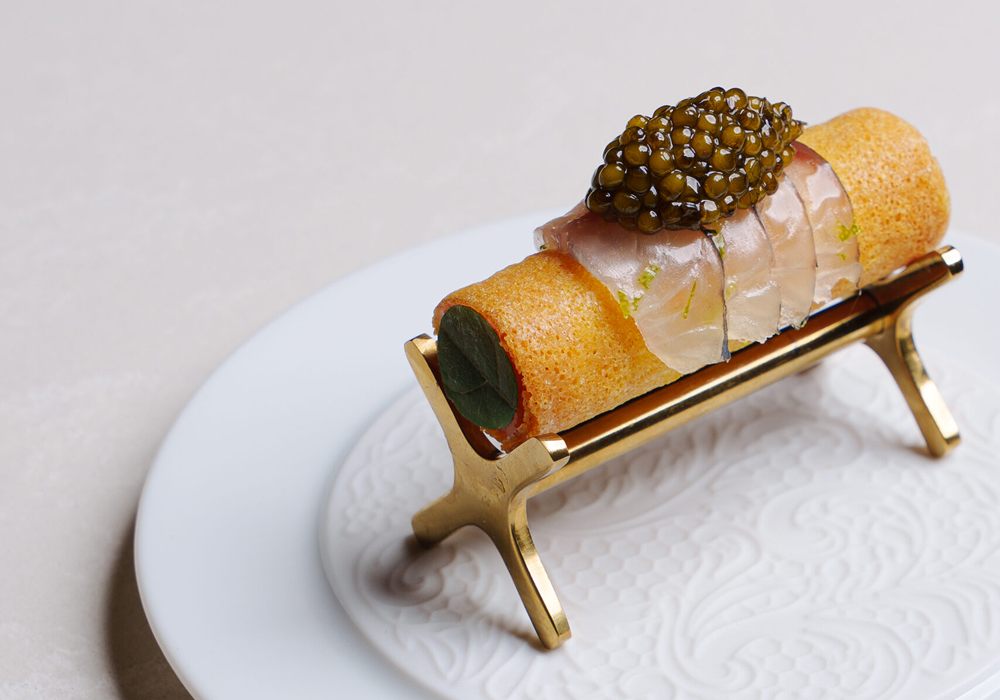
Thevar sits at the heart of Singapore’s chapter in this story. It retained two Michelin stars in the 2026 MICHELIN Guide Singapore, making it the city’s only two-star Indian restaurant. The open kitchen puts the craft on full display, letting guests watch each course take shape rather than simply receive it.
The chef behind it, Mano Thevar, was born and raised in Penang, Malaysia, where his family’s cooking and the city’s mix of food cultures shaped his palate early. After honing his skills in leading kitchens abroad, he opened Thevar in 2018, pairing his Indian heritage with contemporary European technique and fresh, seasonal produce. The result is dishes such as Chettinad chicken roti and Mysore-spiced lamb with rice, bold in flavour yet unmistakably rooted in tradition.
That confidence is being noticed beyond the Michelin Guide. Thevar climbed to No. 58 on the Asia’s 50 Best Restaurants 2026 extended list, up from No. 70 the year before, one of the biggest jumps in that year’s ranking.
The rise of Indian cuisine to the Michelin stage is really a story about respect: for heritage, for technique and for the diner. From London to Dubai to Bangkok, that story has found many stages. In Singapore, restaurants like Thevar continue to write its next chapters.
Ready to experience modern Indian fine dining for yourself? Reserve your table at Thevar and taste the craft firsthand.